10 Min Read
Renjith Chembakarayil
The India AI Impact Summit 2026, held from 16–21 February 2026, marked a significant milestone in the global artificial intelligence landscape. The Summit witnessed extensive participation, with approximately 600,000 attendees in person and over 900,000 cumulative views through live virtual streaming. The Summit achieved a Guinness World Record for the “Most pledges received for an AI responsibility campaign in 24 hours,” with over 250,000 validated pledges reaffirming public commitment towards responsible AI adoption.
UAE’s Role in the Summit
The UAE played a central role, positioning itself as a strategic bridge between the Global South and the West.
On behalf of the UAE President, H.H. Sheikh Khaled bin Mohamed bin Zayed Al Nahyan, Crown Prince of Abu Dhabi, led a senior delegation to the summit.
MGX, the Abu Dhabi-based AI investment powerhouse, held high-level meetings at the summit. Their presence underscored the UAE’s role as a global financier of the infrastructure (GPUs and data centers) that powers modern CX.
Direct Implications in CX
Hyper-Personalization
Every interaction is dynamically tailored based on user behavior and context
Trust as a Metric (AI Explainability)
CX leaders must treat AI explainability as a core KPI
Prevents risks like AI hallucinations
Protects brand reputation by ensuring decisions are understandable
Sovereign CX (Localized AI Models)
Rise of Sovereign AI allows companies to build CX models using local data
Ensures data privacy, regulatory compliance and cultural relevance
AI-Driven Robotics & Phygital CX
Integration of AI with physical touchpoints like retail robots and automated kiosks to create a seamless “phygital” (physical + digital) customer experience.
End of “Black-Box” AI Systems
Customers will no longer accept opaque AI interactions
New standards require clear, human-readable explanations for AI decisions
(e.g., credit approvals, insurance quotes)Drives transparency, trust and brand loyalty
Hyper-Localized Multilingual Support (Bhashini Integration)
Integration of Bhashini, India’s AI language translation platform, into CX workflows
Enables real-time, high-accuracy voice and text translation
Supports 70+ languages and dialects
Customers can speak in their native language and receive responses in the same dialect
Applicable for diverse users, from rural populations to international travellers.
Democratization of AI (Charter for Democratic Diffusion of AI)
Supported by 22+ countries
Aims to reduce the compute barrier for smaller businesses
Provides access to subsidized GPU power (~₹65/hour)
Enables startups to build advanced AI-driven CX solutions
Expected outcome: rise of niche, industry-specific CX applications
Predictive & Proactive CX Models
Shift from reactive support → predictive engagement
Driven by the New Delhi Frontier AI Impact Commitments
Focus on creating frictionless customer journeys
Zero-Touch Resolution
Use of sentiment AI and journey orchestration
Issues are identified and resolved automatically, without customer effort
Real-World Example
AI detects a shipping delay before the customer notices - Automatically reroutes the package - Sends a personalized apology message
Includes a discount tailored to-2026 the customer’s purchase history
Scope and Opportunities in CX
The summit organized opportunities into seven pillars (Chakras). For CX, the following three provide the most growth:
Inclusion & Empowerment: Designing interfaces for the elderly and differently abled using voice-first AI.
Economic Growth: AI as a "Co-pilot" for human agents, increasing efficiency by 40% while reducing burnout.
Secure & Trusted AI: Using "Privacy-Preserving AI" to personalize experiences without ever seeing raw customer data.
Influence on the UAE and MENA Region
The summit is expected to have a ripple effect across the Middle East:
Alignment with Vision 2030 (Saudi) & UAE Centennial 2071: The summit’s focus on "Inclusive AI" mirrors regional goals of moving toward knowledge-based economies. Saudi Arabia’s accession to the Global Partnership on AI (GPAI) during the event makes it a key regional leader in setting CX standards.
Infrastructure Boom: With major players like Reliance and Google announcing massive GPU and subsea cable investments (e.g., the America-India Connect) and the UAE-based MGX and India’s L&T announced plans for "AI Factories." These infrastructure developments will power the next generation of high-speed, low-latency CX apps across the Middle East.
Cross-Border AI Solutions: The launch of the Global AI Impact Commons (a repository of successful AI use cases) provides a blueprint for MENA governments and businesses to replicate successful AI service models in healthcare and finance.
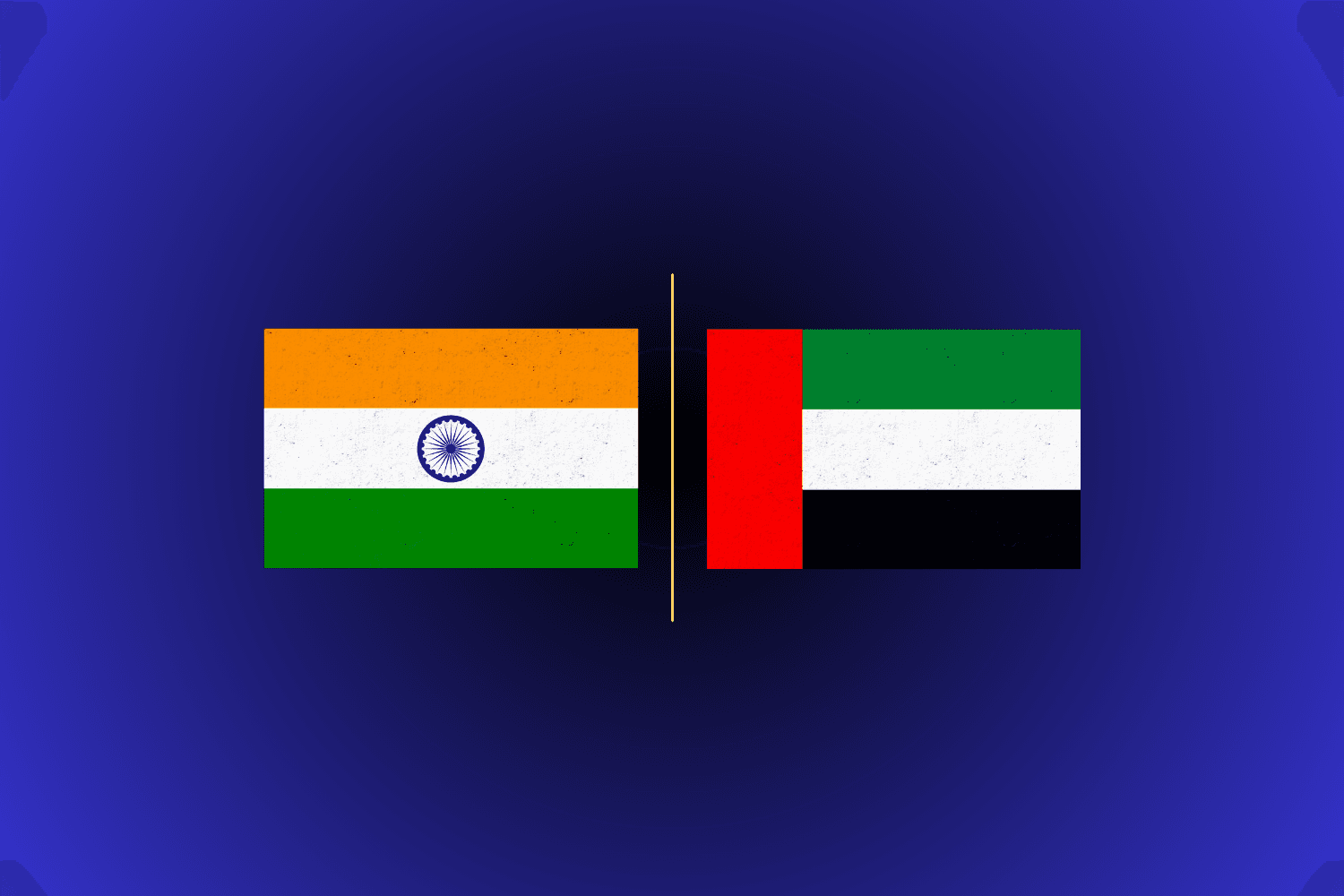
The UAE-India AI Bridge: This strategic corridor will allow for "talent mobility." Expect Indian AI developers to work closely with UAE firms to build Sovereign CX Models—AI trained specifically on Arabic dialects and Khaleeji cultural nuances.
Regulatory Alignment: The UAE’s Minister of AI, H.E. Omar Al Olama, advocated for "Adaptive Frameworks." This means CX regulations in the UAE will likely mirror the summit's "pro-innovation" stance, making it a playground for advanced AI retail and hospitality experiments. H.E. Omar Al Olama articulated the United Arab Emirates’ vision of AI as a tool for improving quality of life and driving broad societal benefits. He emphasised that AI diffusion must extend across society through infrastructure readiness, AI literacy and responsible deployment. Reflecting on his experience as the world’s first Minister of AI, he highlighted the importance of sustained dialogue, global platforms for cooperation and inclusive governance. He cautioned against abrupt regulatory extremes, advocating instead for gradual, proactive and adaptive frameworks that evolve with technology. Drawing parallels with earlier technological waves, he stressed that regulation should be continuous and consultative, balancing innovation with safeguards, and ensuring that no nation is left outside the global AI conversation.
Contact us to see how INVOQ can give an
effortless experience for your customers